Table of Contents
When it comes to CBD, athletes and runners have their go-to favorites: topicals for those “ouch” spots, tinctures for dialing in your daily dose, and gummies for easy, on-the-move support. The best choice? That depends on your recovery goals, whether you’re getting drug tested, and how you like to fit CBD into your day.
Pro tip: Always check for third-party lab results (COAs), USDA organic certification, and clear CBD info on the label—so you know exactly what you’re getting. And here’s some good news: CBD has been off the World Anti-Doping Agency’s banned list since 2018, so it’s fair game for most athletes (just keep an eye on those THC rules).
Ready to find your perfect match? This guide will help you spot top-quality products and choose the CBD format that fits your training routine like a glove.
How Athletes Use CBD (Research + Reality)
More runners and athletes are adding CBD to their recovery routines, and it’s easy to see why. Training can take a toll—whether you’re logging long miles, hitting the gym, or prepping for your next big race. Your body deserves a little extra support to bounce back.
CBD interacts with your endocannabinoid system, which helps regulate things like sleep, stress, and how your body responds to exercise. When you push your limits, your muscles go through natural wear and tear—and that’s where CBD may come in handy.
Many athletes say they use CBD to support their sleep cycles*, manage normal, everyday stresses*, and help with post-workout recovery. While everyone’s experience is unique and research is still ongoing, a lot of people find CBD to be a helpful addition to their wellness routine.
One thing to keep in mind: CBD isn’t a magic fix. It won’t replace good sleep, nutrition, hydration, or smart training. Think of it as one more tool in your recovery toolbox—helpful when used thoughtfully, but not a cure-all.
Not all CBD products work the same way. Here's how the main formats compare for athletic use:
| Product Type | Best For | Precision Dosing | Use Case Example |
|---|---|---|---|
Topicals | Targeted area support, post-workout application | Apply as needed to specific areas | After a long run, massage into knees and calves for localized support |
Tinctures/Oils | Precise dosing, daily routine, pre-bedtime recovery | Highly precise with dropper (measure to the mg) | 50mg under the tongue before bed to support recovery at night |
Gummies/Edibles | Convenient, consistent dosing, travel-friendly | Pre-measured per piece | 30-50mg gummy 1-2 hours before bedtime for overnight recovery |
CBD Drinks | Hydration + CBD, social recovery, lighter doses | Pre-measured per serving | Post-workout refreshment that combines hydration with CBD support |
Key takeaway: Topicals work locally and won't enter your bloodstream—perfect if you want targeted support for specific areas. Tinctures, gummies, and drinks work systemically throughout your whole body, making them better for overall recovery, sleep support*, and managing everyday stresses*.
Want to dive deeper into product formats? Check out our guide on choosing between CBD tinctures, gummies, and drinks.
How to Choose a Quality CBD Product: An Athlete's Checklist
The CBD market is crowded, and not all products are created equal. Here's your step-by-step guide to finding legitimate, effective CBD for athletic recovery:
1. Check for Third-Party Lab Testing (COA)
Look for a Certificate of Analysis (COA) showing CBD content and confirming THC levels are compliant (<0.3% THC for hemp-derived products). This protects you from unwanted substances and confirms accurate dosing. Reputable brands make their lab results easy to find—usually on their website or via QR code on the product.
Not sure how to read a COA? Our guide to buying hemp-derived CBD safely includes a full breakdown of what to look for in lab reports.
2. Understand Full Spectrum vs. Isolate
Full spectrum CBD includes other beneficial hemp compounds—like minor cannabinoids and terpenes—alongside CBD, and may contain trace amounts of THC. CBD isolate contains non-detectable levels of THC—defined as less than 0.01% (100 ppm). While this level is extremely low, there is no guarantee hemp-derived products will not result in a positive drug test, as testing methods and individual metabolism can vary. If you are subject to drug testing, it's recommended that you consult a healthcare professional before use.
3. Verify the Source: Organic, Pesticide-Free Hemp
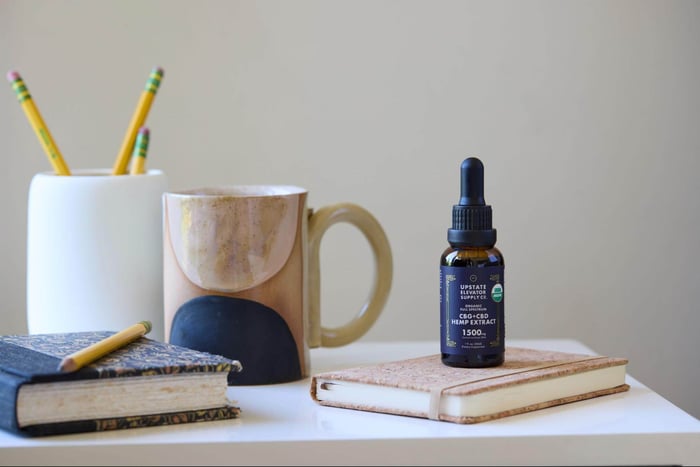
Hemp absorbs everything from the soil it grows in, including pesticides and heavy metals. USDA Organic certification matters. Look for brands that use organic farming practices and can verify their hemp source. Products like Upstate's USDA certified organic CBD tinctures guarantee you're getting clean hemp with no synthetic pesticides.
4. Read the Ingredient List
Avoid artificial colors, excessive additives, or ingredients you can't pronounce. Clean formulations are better for your body, especially when you're already asking a lot of it through training. Simple ingredient lists = transparency.
5. Start Low, Go Slow with Dosing
Begin with 10-30mg daily and adjust based on how you feel. Track your response over 1-2 weeks before increasing. Your optimal dose depends on your body weight, metabolism, training intensity, and what you're trying to support (better rest vs. normal, everyday stresses* vs. post-workout recovery).
6. Look for Extraction Method Transparency
CO2 extraction and cold organic ethanol extraction are the gold standards for preserving beneficial compounds while leaving behind unwanted plant material. Brands that share their extraction process typically have higher quality standards overall. If a brand won't tell you how they extract their CBD, that's a red flag.
What Quality Looks Like
High-quality CBD products check these boxes: USDA organic certification, third-party lab tested with accessible COAs, clear extraction method, transparent ingredient lists, and specific CBD content per serving. Upstate's third-party tested topicals and other products exemplify these standards with full transparency.
Common Questions About CBD for Athletes
Is CBD legal for athletes and runners?
Yes, for most athletes. WADA removed CBD from its prohibited substances list in 2018, and most athletic organizations (including USADA and NCAA) followed suit. CBD is now permitted in professional and collegiate sports. However, THC remains prohibited in many competitions. Always check your specific sport's current guidelines.
Will CBD show up on a drug test?
Full spectrum CBD products contain trace THC (<0.3%), which can accumulate in your system with regular use and potentially show up on sensitive tests. CBD isolate, while containing non-detectable levels of THC may result in a positive drug test, as testing methods and individual metabolism can vary. If you are subject to drug testing, you should check with a healthcare professional before use.
How much CBD should athletes take?
Start with 10-25mg daily and adjust based on your response. Many runners and athletes find 25-50mg effective for recovery support, while others need less or more. There's no universal dose—it depends on your body weight, metabolism, training volume, and what you're trying to support. Give any new dose 1-2 weeks of consistent use before adjusting up or down.
When should I take CBD—before or after workouts?
It depends on your format and goal. For topicals, apply them immediately after your workout to target specific areas. For tinctures or gummies aimed at sleep support, take them 1-2 hours before bed. Some athletes take a morning dose (10-25mg) to help manage everyday stress* and stay focused throughout the day. Experiment to find what timing works best for your routine.
Can CBD help with muscle soreness?
Preliminary research suggests that CBD may support the body’s natural recovery process after exercise, including helping to manage occasional muscle soreness. However, individual responses can vary, and CBD should not be considered a substitute for essential recovery practices such as stretching, adequate sleep, and proper hydration. Consider CBD as a possible addition to your overall wellness routine, rather than a cure-all.
What's the difference between CBD topicals and taking CBD internally?
Topicals work locally—they're absorbed through your skin and support the underlying tissue in that specific area. They don't enter your bloodstream. This makes them ideal for targeted support after a tough workout. Internal CBD (tinctures, gummies, drinks) enters your bloodstream and works systemically throughout your whole body, making it better for overall recovery, sleep support*, and managing normal, daily stress*.
Finding Your Recovery Routine
The best CBD product for you depends on your specific needs and training schedule. Here's a quick decision framework:
- If you want targeted support for specific areas: Start with a topical. Apply directly to knees, shoulders, or wherever you need it most after training.
- If you want precise control over dosing: Choose a tincture. The dropper lets you dial in your exact mg amount.
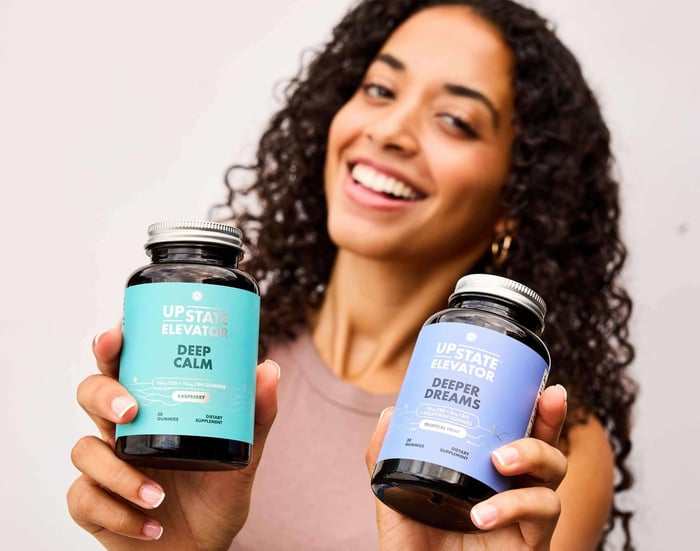
- If you prioritize convenience and consistent dosing: Go with gummies. They're pre-measured, travel-friendly, and easy to track.
- If you value clean ingredients: Look for USDA organic certification and brands transparent about their sourcing and extraction methods.
Ready to try CBD for your recovery routine? Explore clean-ingredient CBD gummies and other products made from clean crafted hemp with full third-party testing.